
Guide to Clearing a Family Home After Transition
Home Cleanout, Family Estate Planning, Downsizing Guide, Assisted Living Transition, Property Staging Tips, Emotional Sorting Process
A practical, plainspoken guide to clearing a family home after a death, a move to assisted living, or a downsizing.
Clearing out a family home is one of those jobs that looks simple from the sidewalk and feels impossible once you’re standing in the living room. Whether you’re handling an estate after a death, helping with an assisted living transition, or doing a major downsizing, this guide is meant to be practical, not poetic. You don’t need inspiration. You need a sequence, some boundaries, and a clear sense of what help is worth paying for.
Why these jobs stall: it’s not just the stuff
If you’ve “started” a Home Cleanout three times and still can’t see the floor in the spare bedroom, you’re not alone. These projects usually stall for three very normal reasons. Knowing them won’t make the work fun, but it will make it less confusing and less personal.
1. Invisible volume
A house looks “normal” when everything is on shelves, in drawers, and behind closet doors. The real volume doesn’t show up until you start opening things. That’s when you discover there are 14 sets of sheets, 200 old bills, three junk drawers per room, and a lifetime of “I’ll deal with that later.”
This invisible volume makes people underestimate the job. They think, “We’ll knock it out this weekend,” and then hit a wall halfway through the hall closet. It’s not that you’re bad at organizing. The job is just bigger than it looks from the doorway.
2. Nobody is clearly authorized to decide
The second stall point is authority. Who actually gets to say, “This goes, that stays”? In a Family Estate Planning situation, you might have multiple heirs, an executor on paper, and three siblings who all feel differently about Grandma’s china. If no one is clearly empowered to make final decisions, every box becomes a debate club meeting. Progress dies in the hallway.
Before you move a single box, decide who is the decision-maker for day-to-day sorting. It might be the executor, the person living closest, or the one actually willing to show up. Everyone else can have input, but someone has to have the final word or you’ll just keep circling the same items for weeks.
3. The emotional weight of the sorting
The third stall is the hardest: the Emotional Sorting Process. You’re not just handling objects; you’re handling stories, regrets, and sometimes unfinished business. A cracked coffee mug can stop you for ten minutes while you remember every morning your dad used it. Do that 200 times and the day is gone and the house looks the same.
You can’t remove the emotions, and you shouldn’t try. But you can set up the work so that the emotional decisions are limited, time-bounded, and not mixed in with legal and safety issues. That’s where the right sequence comes in.

Handling documents first protects the estate and shrinks the emotional pressure later.
The sequence that saves the most grief
Most people mix everything together: they cry over photo albums, toss expired cereal, argue about jewelry, and try to schedule a dumpster all in the same afternoon. No wonder they burn out. A cleaner, calmer Downsizing Guide follows a specific order:
Step 1: Pull all paper and documents off the property
First, you deal with anything that can affect money, identity, or legal responsibilities. That means:
Wills, trusts, powers of attorney, and estate documents
Insurance policies, bank and investment statements, tax records
Deeds, titles, mortgage paperwork, business records
Passports, Social Security cards, military records, birth and marriage certificates
Gather all paper into bins or banker’s boxes and get it to one secure location off-site. You are not sorting every piece yet. You are rescuing the important from the risk of being tossed, shredded, or rained on when the real hauling starts. This is especially critical during an Assisted Living Transition, when bills and benefits still need to be managed for the person moving.
Step 2: Small valuables and medications
Next, remove anything small, portable, and either valuable or dangerous. That includes:
Jewelry, watches, coins, collectibles, and obvious antiques
Firearms and ammunition (follow local laws for storage and transfer)
Cash, checkbooks, spare keys, safe deposit box keys
All medications, especially controlled substances and anything still active for the person in care
These items should not be left in an unattended house, especially once multiple people, contractors, or a cleanout crew start coming and going. Lock them up or move them to whoever is handling the estate or finances. Dispose of unneeded medications through a pharmacy or official drop-off, not the kitchen trash.
Step 3: A time-bounded sentimental sweep
Only after the paperwork and valuables are safe do you let sentiment onto the field. Here’s the key: you give it a time limit and a clear rule set. For example:
“Each sibling gets one large bin and one small box of sentimental items.”
“We have two Saturdays for photos, letters, and keepsakes. After that, we’re done.”
You’re not trying to save every object that ever held a memory. You’re trying to save enough that you don’t wake up three years from now wishing you’d kept something meaningful. Take photos of bulky items you don’t actually want to store. Keep the story, not the dust.
💡 Plainspoken tip: If nobody claims it during the sentimental sweep, it’s not secretly precious. It’s just furniture.
Step 4: Only then, the hauling
Once the legal, financial, and sentimental landmines are cleared, the rest is logistics. This is when dumpsters, donation runs, and a property cleanout crew make sense. At this stage, decisions are mostly about volume, not feelings. That’s a much easier place to be.

Crews handle the heavy lifting; your job is to protect documents, valuables, and memories first.
What a property cleanout crew actually does—and what they don’t
A professional cleanout crew is there to move volume. They:
Empty furniture, boxes, clothing, and general household goods
Haul trash to the dump and donations to charity (if arranged)
Broom-sweep floors and leave the property empty and basic-clean
They are not appraisers, and they are not estate sale managers. Some will flag obviously valuable items if they see them, but that’s a courtesy, not a service. If you want to maximize value:
Hire an appraiser for things like art, antiques, collections, and high-end furniture.
Use an estate sale company if you have a house full of sellable items and the time to run a sale before the cleanout.
The usual order is: appraiser (if needed), estate sale, then cleanout crew. By the time the cleanout team arrives, everything that’s staying, selling, or being shipped to family should already be gone or clearly marked. Their job is to make “what’s left” disappear so you can move on to staging and selling.
Why an emptied house still doesn’t show well
Here’s the part most people underestimate: an empty house is not the same as a market-ready house. Once the furniture is gone, you can suddenly see every scuff, cobweb, and water stain that used to hide behind sofas and drapes. Buyers see it too—within the first ten seconds of pulling up.
Inside, you may still need paint, flooring touch-ups, and a real cleaning. Outside is where Curb Elite Solutions LLC lives. We’re an exterior property maintenance company, and we can tell you with a straight face that those first ten seconds at the curb do more work than any scented candle you burn inside.
The short exterior list that changes the first ten seconds
You don’t need a full HGTV makeover. But you do need the basics handled. For an estate, a downsizing, or an Assisted Living Transition, focus on these exterior Property Staging Tips:
Power washing: Years of Oklahoma dust, mildew, and pollen make siding, brick, and driveways look older than they are. One good wash can take a house from “tired” to “cared for” in an afternoon.
Window washing: Clean glass lets in more light and makes photos and showings feel brighter. Buyers notice grime around frames, even if they can’t say why the house feels “dull.”
Screen repair: Torn or sagging screens quietly say, “Nobody’s been on top of maintenance.” Fixing them is cheap compared to the impression they give if you don’t.
Gutter cleanout: Overflowing gutters stain siding, rot fascia, and scream “deferred maintenance.” Clean gutters also reassure home inspectors, which helps your deal survive to closing.
Weatherizing: Simple caulking, sealing, and checking exterior trim and thresholds keeps water and pests out while the house sits on the market. It also shows buyers the place hasn’t been abandoned to the elements.
Curb numbers: Fresh, visible house numbers on the curb or mailbox help buyers, inspectors, and repair crews find the place without circling the block. It’s a small detail that quietly says, “We pay attention.”
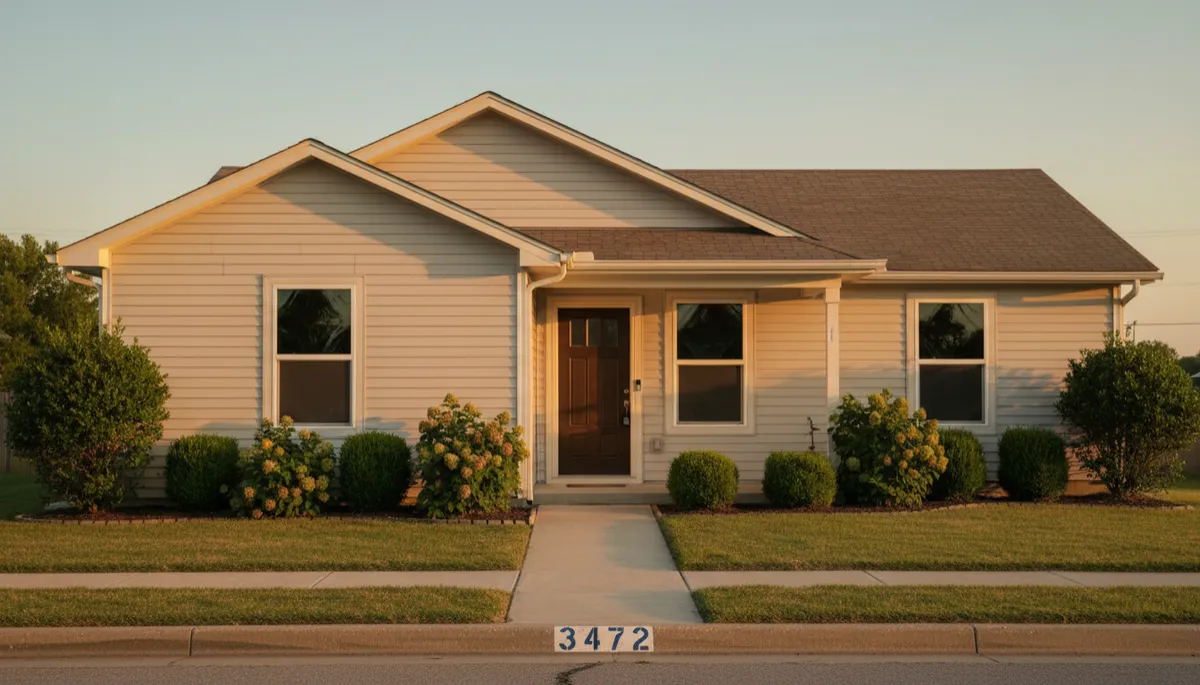
Simple exterior maintenance can add more perceived value than another weekend of indoor nitpicking.
Putting it all together—and getting help where it counts
Clearing a family home after a death, a move to assisted living, or a major downsizing is never just a “project.” It’s paperwork, safety, money, grief, and real estate all tangled together. The work gets easier when you respect that tangle and still give yourself a simple plan:
Name a decision-maker so someone has authority to say yes and no.
Pull all critical documents off the property and into safe hands.
Remove small valuables and medications before anyone starts hauling.
Do a time-bounded sentimental sweep and accept that you can’t keep everything.
Use appraisers and estate sales where it makes financial sense, then bring in a cleanout crew to finish the heavy work.
Finally, tune up the exterior so the property shows well in the first ten seconds.
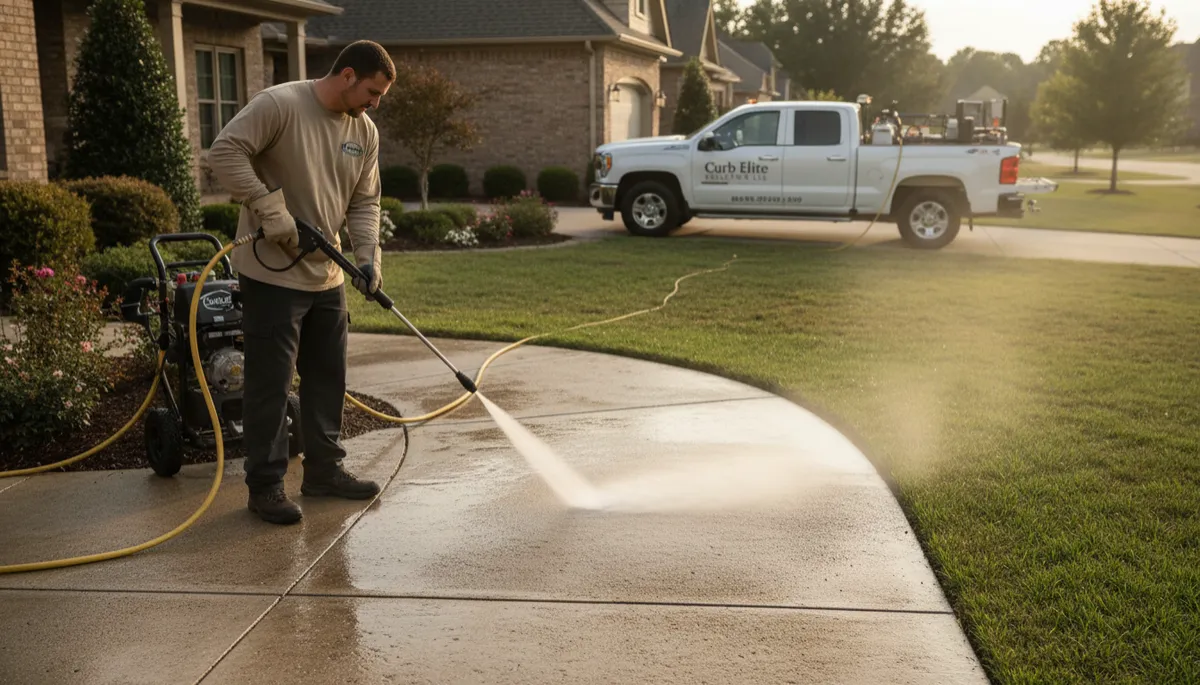
Reliable exterior help lets you focus on decisions only you can make inside the home.
At Curb Elite Solutions LLC, our job is the part outside the front door: power washing, window washing, screen repair, gutter cleanout, basic weatherizing, curb numbers, and other exterior odds and ends that make a property look cared for, not abandoned. We’re local to the Oklahoma City Metro, we’re owner-operated, and our promise is simple: we answer, we show up on the day we said, and we finish what we started.
You handle the memories, the paperwork, and the hard decisions. Let us handle the ladder work, the hoses, and the outside details that help the property sell faster and for more. If you’re staring at a house that needs to be cleared, cleaned, and put on the market, you don’t have to guess what to do next.
📌 Next step:Get a Free Property Assessment from Curb Elite Solutions LLC and find out exactly what exterior work would make the biggest difference for your family home.