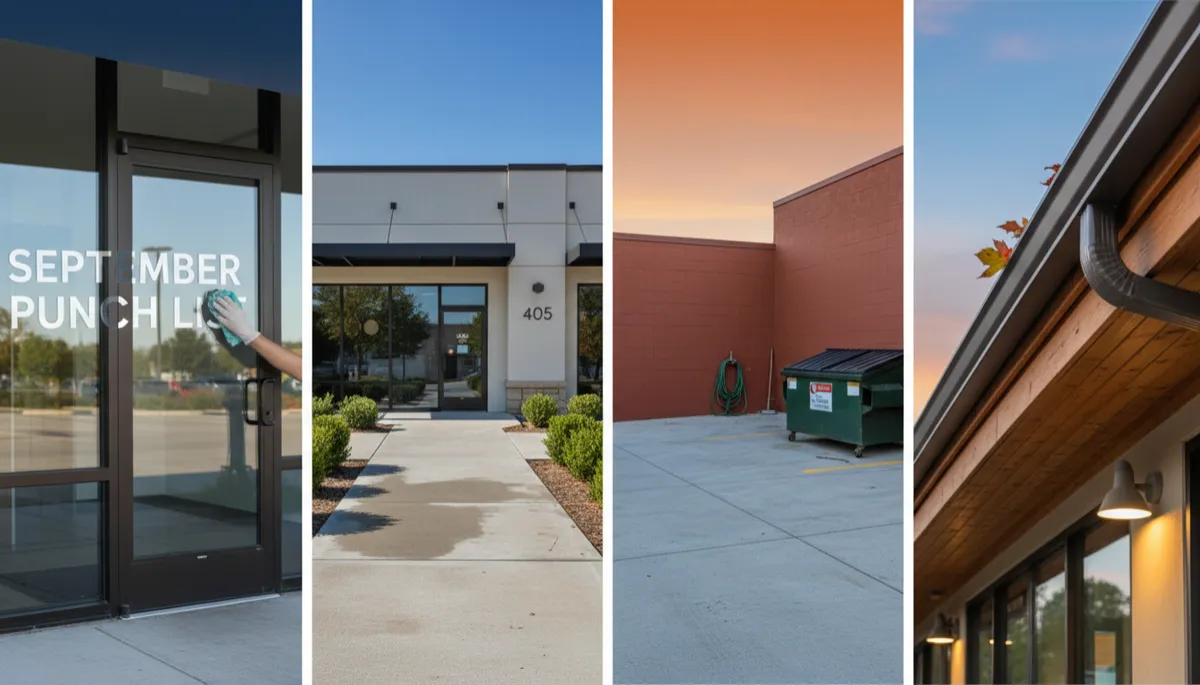
September Exterior Punch List for Oklahoma Properties
September Punch List, Retail Exterior Maintenance, Restaurant Curb Appeal, Office Property Upkeep, Multi-tenant Building Care, Oklahoma Seasonal Preparation
Your September Exterior Punch List Before Q4 Hits the Oklahoma City Metro
In retail, restaurant, office, and multi-tenant properties, most first-time customers decide what they think of you before they’ve bought a thing. September is your last clean window in Oklahoma to fix what they see outside before fourth quarter traffic and weather hit. At Curb Elite Solutions LLC, we call it the September Punch List—and we prioritize it by how much it changes a new customer’s conclusion about your business.
1. Entrance Glass and Frames: Where Every First Impression Starts
The entrance is the single biggest decider of what a first-time customer thinks of you. Not your logo. Not your menu. The glass and the frames—inside and out. If the glass is streaked, cloudy, or fingerprinted, and the aluminum or steel frames are oxidized, chipped, or covered in cobwebs, the conclusion is simple: “If they don’t clean this, what else don’t they do?”
For Retail Exterior Maintenance and Restaurant Curb Appeal, September is when you reset that story. That means:
Deep-cleaning entrance glass, including the interior face customers see while they wait to be greeted or seated.
Degreasing and brightening frames, door rails, and mullions so they read as “maintained,” not “original to the building permit.”
Clearing corners and thresholds of spider webs, dead bugs, and leaf buildup—especially in Oklahoma’s windy fall.
For office property upkeep and multi-tenant building care, this is also where tenants judge you. Clean, tight entrances help them justify their rent and renewals. Dirty ones help them shop other spaces.
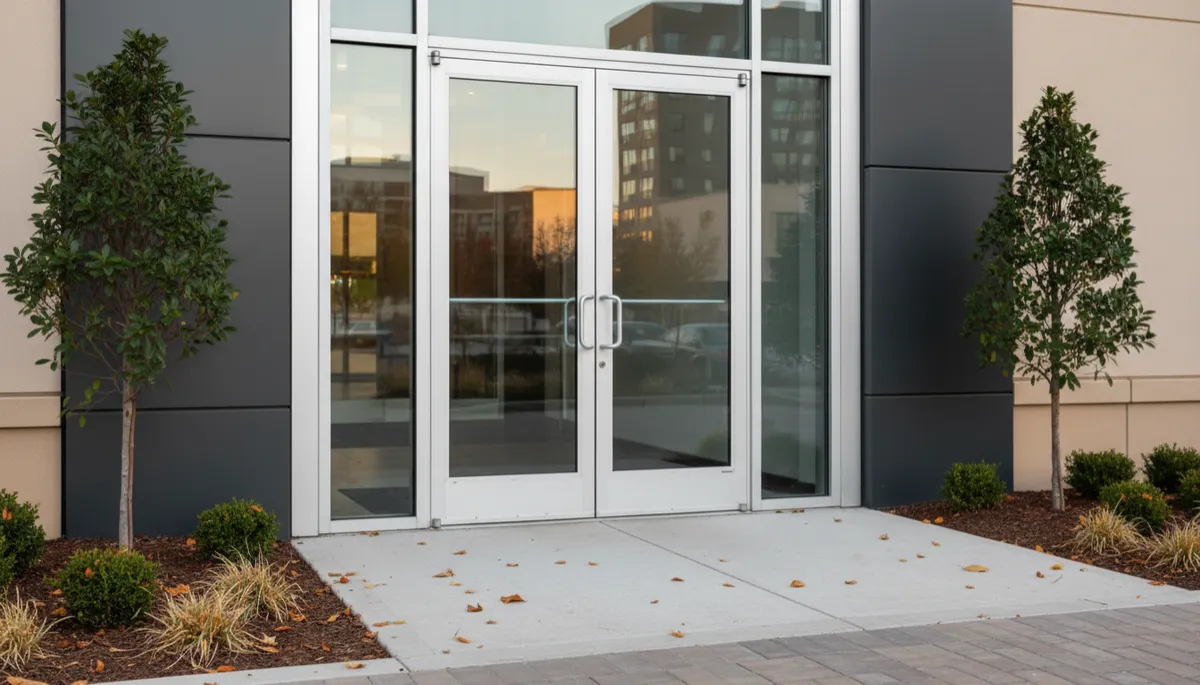
Clean entrance glass and frames quietly tell customers you run a tight operation.
2. The Approach Concrete: What Their Shoes Feel Before Their Wallet Opens
Next in the decision chain is the concrete customers walk across—sidewalks, approaches, and pads between parking and door. People notice more than they admit: gum, grease, bird droppings, old drink spills, and that one settled slab that always holds a puddle after a storm. They may not complain, but they do decide whether your place feels safe and cared for.
For restaurants, greasy approach concrete is a double hit: it looks bad and it’s a slip hazard. For offices and multi-tenant centers, cracked or uneven panels scream “deferred maintenance” to both tenants and their clients. A solid September Punch List for approach concrete includes:
Pressure washing to remove stains, gum, and mildew before cooler temps make cleaning less effective.
Marking and addressing trip hazards where panels have shifted or heaved.
Checking drainage so water isn’t pooling right where customers step out of their cars.
💡 Dry-humored truth: If customers have to dodge puddles, gum, and mystery stains to reach your door, they’re already in a bad mood before they see your prices.
3. Back-of-House Dumpster Pads and the “Rent You’re Paying for Junk”
Customers don’t always see the dumpster pad—but your staff, vendors, delivery drivers, and sometimes health inspectors do. And in multi-tenant centers, one messy tenant’s dumpster area becomes everyone’s problem when odor, pests, and trash blow around the lot. For restaurants, that’s a direct health and brand risk. For offices and retail, it’s a silent reputation leak.
September is the time to reset that space. A proper Retail Exterior Maintenance and Restaurant Curb Appeal check at the dumpster pad should include:
Degreasing and pressure washing the pad before fall rain spreads residue into drive lanes and parking.
Removing accumulated junk—old fixtures, pallets, broken furniture—that’s quietly eating up rented square footage.
Checking gates, enclosures, and signage so haulers and staff can actually keep it contained.
At Curb Elite Solutions LLC, we see the same pattern: the back-of-house becomes the unofficial storage unit “until we have time.” September is when you make time, clear it out, and stop paying commercial rent to store trash.
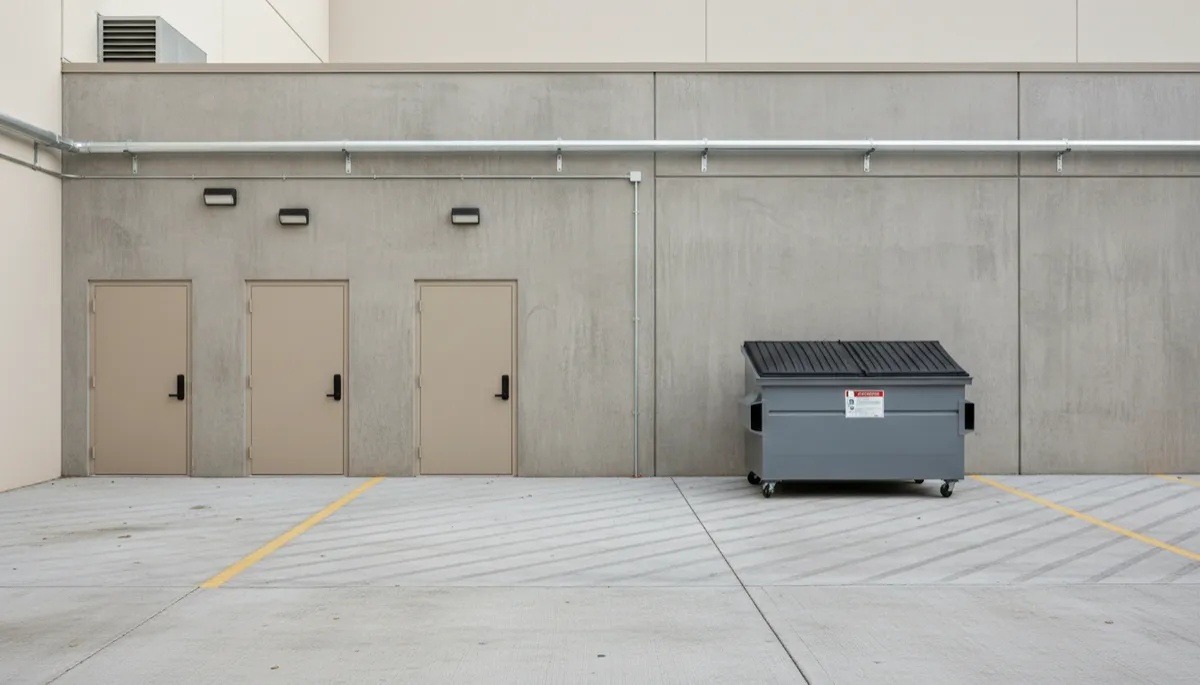
A clean dumpster pad cuts pests, odors, and the quiet reputational damage of a messy back lot.
4. Gutters Before Leaf Fall: From Overflow to Entrance Ice
Gutters don’t show up in marketing photos, but they absolutely show up in customer experience. In Oklahoma, once the trees let go, clogged gutters mean water spilling over fascias, soaking walkways, and freezing into entrance ice when the first real cold snap hits. That’s a slip-and-fall waiting to happen, right where your front door camera can watch it happen in HD.
A smart September Punch List for Multi-tenant Building Care and Office Property Upkeep includes:
Cleaning gutters and downspouts before leaves start dropping in volume, not after they’ve formed a compost pile.
Verifying downspouts discharge away from entrances and high-traffic paths, not onto them.
Checking for sagging sections or leaks that stain siding and signage.
This is classic “no one notices when it’s right, everyone notices when it’s wrong” maintenance. September is your chance to stay invisible in the best way possible.
5. Weatherizing and Trim: Seal It While It Will Still Cure
Caulks and sealants have opinions about temperature and humidity. In Oklahoma, September is the last reliable stretch where daytime highs and overnight lows stay in the zone most exterior products need to cure properly. Wait too long, and that “quick touch-up” around windows, doors, and trim turns into a spring project—after you’ve paid for higher winter utility bills and chased drafts with space heaters.
For Retail Exterior Maintenance and Office Property Upkeep, weatherizing now means:
Inspecting trim, siding transitions, and control joints for failed sealant and open gaps that invite water and pests.
Re-caulking around storefronts, service doors, and utility penetrations while temperatures still allow proper cure times.
Touching up exposed trim and fascia before winter moisture finds raw edges.

Sealants applied in September cure better and protect longer through Oklahoma’s winter swings.
6. The “Tells”: Screens, Address Numbers, and Entry Lighting
Once the big items are handled, customers start noticing the tells—the small details that decide whether a building reads as maintained or just open. These don’t cost much, but they say a lot:
Screens: Torn or missing window screens on offices and upper levels make the whole property look tired, even if the interior is spotless.
Address numbers: Faded, crooked, or mismatched numbers confuse deliveries and emergency services—and they quietly say “no one’s in charge here.”
Entry lighting: Burned-out lamps, mismatched color temperatures, or fixtures full of bugs make an entry feel sketchy instead of welcoming—especially in early dark winter evenings.
For Multi-tenant Building Care, these small items are what tenants point to when they say, “The landlord doesn’t really keep up with things.” Fix them now, and the conversation never starts.

Clear numbers and clean, consistent lighting make a building feel safe and professionally managed.
7. Why September Is the Operational Window in Oklahoma
Oklahoma doesn’t ease into seasons; it tends to jump. September is the transition month where the worst summer heat backs off, but the real cold hasn’t arrived. That matters for Oklahoma Seasonal Preparation in three ways:
Worker safety and productivity: Crews can work full days without the heat stress of July and August, which means more gets done, faster, and with fewer weather delays.
Product performance: Sealants, coatings, and cleaners all have preferred temperature ranges. According to common manufacturer specs and national maintenance guides, fall is ideal for exterior work because surfaces are dry, but not baking hot or freezing cold.
Weather predictability: September still sees storms, but far fewer surprise freezes. You can schedule work with a reasonable chance of hitting the date.
HGTV, Family Handyman, and other national sources all point to early fall as the right time for exterior maintenance before winter sets in. In the Oklahoma City Metro, September is that sweet spot. By October, you’re gambling with fronts that can shut down exterior work for days.
8. Why the Metro’s Good Dates Book Early
Every property manager and business owner in the Oklahoma City Metro is staring at the same calendar. Q4 is coming. Holiday traffic is coming. Cold snaps are coming. The result? The “good” September and early October dates for exterior work disappear fast—especially Fridays, weekends for restaurants, and low-traffic days for medical and office buildings.
At Curb Elite Solutions LLC, we see the same pattern every year:
Early planners lock in September for September Punch List items—glass, concrete, gutters, weatherizing, and detail work.
Late callers want those same dates after the first cold rain or early freeze, when everyone suddenly remembers gutters, ice, and drafty doors.
We’re local, owner-operated, and we do our best to help everyone—but we can’t double-book a Tuesday. If you manage retail, restaurant, office, or multi-tenant properties in the metro, the most “boring” thing you can do is the smartest: schedule your exterior work before it becomes urgent.
One Call, Done Before Q4: Get a Free Property Assessment
Exterior maintenance doesn’t have to be dramatic. In fact, when it’s done right, no one talks about it at all. That’s our lane. At Curb Elite Solutions LLC, we focus on reliability: we answer, we show up on the day we said, and we finish what we started. One call covers most of your exterior and basic-maintenance needs—glass, concrete, gutters, dumpster pads, weatherizing, and those small details customers quietly judge you on.
If you’re in the Oklahoma City Metro and you’d rather go into fourth quarter with a property that reads as maintained instead of “just open,” now is the window. Let’s walk your site, build a clear September Punch List, and get it done while the weather—and the schedule—are still on your side.
📌 Next Step:Get a Free Property Assessment from Curb Elite Solutions LLC and lock in your September dates before the calendar does it for you.